
Common Gut Health Conditions: Symptoms, Causes, and Natural Relief
Important: This page is for informational purposes only. It does not diagnose any condition. If you are experiencing persistent or severe digestive symptoms, please see a doctor. Some gut symptoms can signal serious conditions that need medical evaluation. Natural approaches work best alongside not instead of proper medical care.
What You Will Learn in This Guide
- The most common gut health conditions affecting Americans
- How to recognize symptoms for each one
- What causes them and what makes them worse
- Natural dietary and lifestyle approaches that may help
- When symptoms are a warning sign you should not ignore
- Where to go for deeper information on each condition
Why So Many People Have Gut Problems
Gut health conditions are incredibly common in these days. About 60 to 70 million Americans are affected by digestive diseases of some kind. IBS alone affects roughly 10 to 15 percent of the US population.
But here is something worth knowing: many gut health conditions share the same root causes. Poor diet, chronic stress, disrupted sleep, overuse of antibiotics, and lack of dietary fiber all damage the gut microbiome. That imbalance (called dysbiosis) is behind most of the conditions covered in this guide.

That is actually encouraging. Because it means that addressing those root causes can improve multiple conditions at once not just the symptoms of one.
If you are new to gut health and want to understand the foundations first, start with the Gut Health 101 guide before reading this page.
The Conditions Covered in This Guide
- Gut Dysbiosis – the root of most gut problems
- IBS (Irritable Bowel Syndrome) – affects 1 in 7 Americans
- Leaky Gut – damaged gut lining with wide-ranging effects
- SIBO – bacteria in the wrong place
- Bloating – one of the most searched gut symptoms
- Acid Reflux and GERD – more than just heartburn
- Constipation – often overlooked as a gut health issue
Gut Dysbiosis - The Root of Most Gut Problems
What It Is
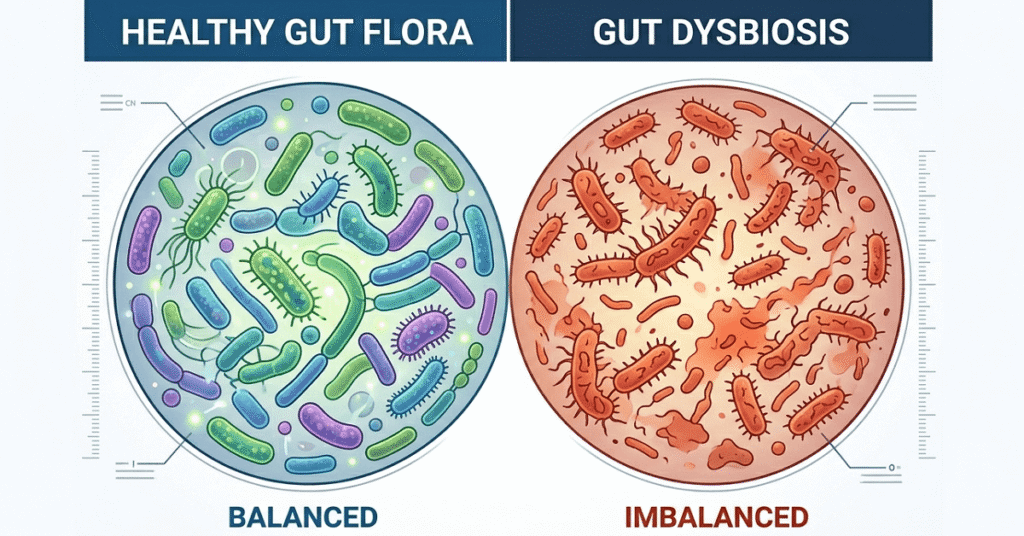
Think of your gut like an ecosystem. A healthy rainforest has thousands of different species living in balance. A damaged one has weeds taking over. Dysbiosis is the weeds taking over your gut.
Most of the other conditions in this guide either cause dysbiosis or are caused by it. That is why it is the right place to start.
Symptoms of Gut Dysbiosis
Dysbiosis does not always cause obvious digestive symptoms. That is what makes it easy to miss. Symptoms can show up anywhere in the body:
Digestive symptoms:
- Bloating and gas, often without a clear food trigger
- Irregular bowel movements – constipation, diarrhea, or both alternating
- Stomach discomfort or cramping after meals
- Food intolerances that seem to be getting worse over time
Whole-body symptoms:
- Fatigue that does not improve with rest
- Brain fog and difficulty concentrating
- Skin problems (acne, eczema, or rashes)
- Frequent colds or infections
- Mood changes (anxiety, low mood, irritability)
- Worsening allergies or sensitivities
What Causes It
- A diet high in ultra-processed foods and added sugar
- Antibiotic use especially repeated courses
- Chronic stress
- Poor sleep
- Low dietary fiber intake
- Alcohol consumption
- Certain medications including proton pump inhibitors and NSAIDs used long-term
Natural Approaches That May Help
The good news is that dysbiosis responds well to dietary and lifestyle changes. This is the most diet-responsive of all gut conditions.
- Increase dietary fiber from a wide variety of plants. Fiber feeds good bacteria and helps them outcompete harmful ones. Aim for 25–38 grams per day from diverse sources.
- Eat fermented foods daily. Yogurt, kefir, kimchi, sauerkraut, and miso all add beneficial bacteria back to the gut.
- Reduce ultra-processed food and added sugar. These feed the bacteria you do not want.
- Manage stress consistently. Chronic stress reshapes the gut microbiome over time.
- Protect your sleep. The gut microbiome follows a circadian rhythm. Disrupting sleep disrupts the microbiome.
IBS - Irritable Bowel Syndrome
What It Is
IBS is one of the most common digestive conditions in the US. It affects an estimated 25 to 45 million Americans (about 10 to 15 percent of the population).
IBS is a functional gut disorder. That means the digestive system looks normal on tests, but it does not function normally. The gut is overly sensitive. The way it moves food through is erratic. And the communication between the gut and brain is disrupted. IBS is not dangerous in the sense that it does not cause permanent intestinal damage. But it is real, it is often debilitating, and it significantly affects quality of life for the people who have it. We want to say that clearly because IBS is one of those conditions that gets dismissed too easily by others and sometimes by doctors. If you have IBS, your symptoms are real and they deserve proper attention.
Types of IBS
There are three main types, classified by the primary bowel pattern:
| Type | What It Looks Like |
|---|---|
| IBS-C (constipation predominant) | Mostly constipation, hard or lumpy stools, straining |
| IBS-D (diarrhea predominant) | Mostly diarrhea, loose or watery stools, urgency |
| IBS-M (mixed) | Alternates between constipation and diarrhea |
Symptoms of IBS
The hallmark symptoms of IBS are:
- Recurring abdominal pain or cramping (usually relieved after a bowel movement)
- Changes in stool frequency (going more or less often than usual)
- Changes in stool form (harder, looser, or more inconsistent than normal)
- Bloating and a feeling of fullness
- Gas and urgency
- A feeling of incomplete emptying after a bowel movement
IBS symptoms tend to flare with specific triggers (certain foods, stress, hormonal changes, illness, or disrupted routine).
What Causes IBS
The exact cause of IBS is not fully understood, but research points to several contributing factors:
- Gut-brain axis dysfunction – abnormal communication between the gut and the brain leads to pain hypersensitivity and irregular gut motility
- Post-infectious IBS – many people develop IBS after a bout of food poisoning or gastroenteritis
- Gut microbiome imbalance – people with IBS consistently show less diverse gut microbiomes
- Chronic stress and anxiety – strongly linked to both the onset and flaring of IBS
- Intestinal inflammation – low-grade inflammation in the gut lining is present in some IBS cases
- Small intestinal bacterial overgrowth (SIBO) – estimated to be present in a significant subset of IBS cases
Natural Approaches That May Help
The Low-FODMAP Diet is the most evidence-backed dietary approach for IBS. It involves temporarily reducing fermentable carbohydrates that trigger symptoms in IBS (including certain fruits, vegetables, dairy, and wheat). Studies show it reduces symptoms in 50 to 75 percent of IBS patients.
It is worth doing with the guidance of a dietitian if possible, as it is a short-term elimination approach not a permanent way of eating.
See: The Low-FODMAP Diet for IBS: A Beginner’s Starter Guide
Stress management is not optional for IBS. Because IBS involves the gut-brain axis, anything that calms the nervous system helps calm the gut. Regular walking, mindfulness practice, and consistent sleep make a measurable difference for many IBS sufferers.
Soluble fiber – from oats, psyllium husk, and cooked vegetables tends to be better tolerated in IBS than insoluble fiber, particularly for IBS-C. Start slowly and increase gradually.
Peppermint oil – enteric-coated peppermint oil capsules have decent research support for reducing IBS abdominal pain and cramping. Available at most US pharmacies.
Probiotics – certain specific strains have shown benefit for IBS, particularly Lactobacillus plantarum and Bifidobacterium infantis. Not all probiotics help IBS equally. Strain specificity matters more than CFU count here.
See: IBS Symptoms Checklist – How to Know If You Have Irritable Bowel Syndrome
See: Natural Remedies for IBS That Are Actually Backed by Research
Leaky Gut (Increased Intestinal Permeability)
What It Is
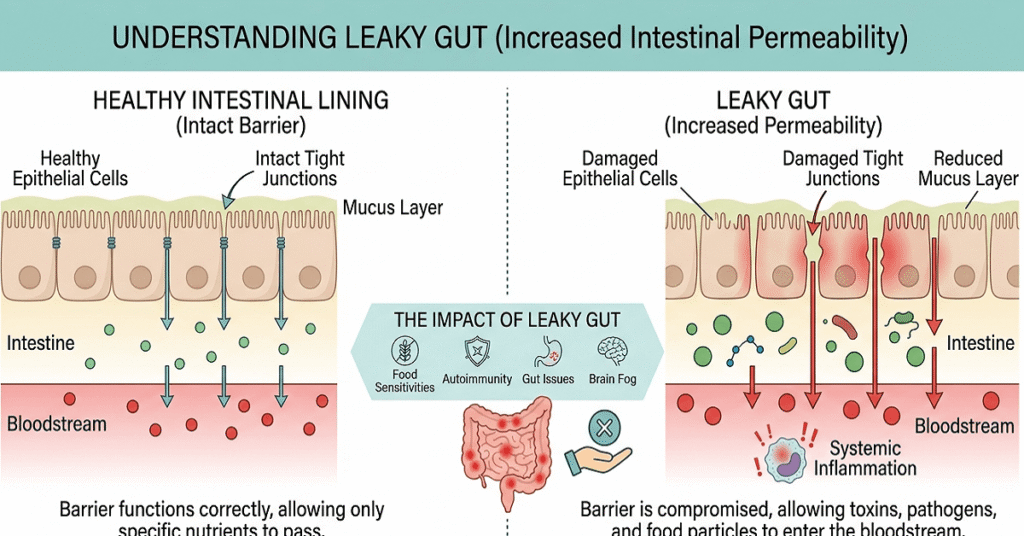
Your gut lining is a barrier. It is made up of a single layer of cells held together by tight junctions like a tightly woven mesh. Its job is to let nutrients through into your bloodstream while keeping everything else out.
When that barrier is damaged by inflammation, poor diet, stress, or certain medications, the tight junctions loosen. Gaps form. Substances that should stay inside the gut start slipping through into the bloodstream. Bacteria, partially digested food particles, and toxins. This triggers an immune response. Your immune system sees these particles in the bloodstream and mounts an attack. Over time, this leads to systemic inflammation that can affect virtually any part of the body. This is what is commonly called leaky gut officially known as increased intestinal permeability. It is a real, measurable condition. It is not a fringe concept. Research has linked it to autoimmune conditions, inflammatory bowel disease, IBS, food intolerances, skin conditions, and more.Symptoms of Leaky Gut
Leaky gut symptoms are notoriously wide-ranging because the inflammation it causes can show up anywhere. Common symptoms include:
Digestive symptoms:
- Chronic bloating and gas
- Food sensitivities that keep expanding
- Diarrhea or constipation
- Stomach pain after eating
Whole-body symptoms:
- Chronic fatigue
- Brain fog
- Skin issues (acne, eczema, psoriasis)
- Joint pain and inflammation
- Frequent illness
- Mood problems (anxiety or depression)
- Autoimmune flares (in those with autoimmune conditions)
What Causes It
- A diet high in processed food – especially emulsifiers, which research has shown directly loosen tight junctions in the gut lining
- Chronic stress – cortisol increases gut permeability directly
- Excessive alcohol – one of the most well-studied causes of increased intestinal permeability
- Long-term NSAID use – ibuprofen and aspirin used regularly can damage the gut lining
- Chronic gut dysbiosis – imbalanced gut bacteria promote gut lining inflammation
- Gluten – in people with celiac disease and some with non-celiac gluten sensitivity, gliadin (a component of gluten) triggers release of zonulin, a protein that loosens tight junctions
Natural Approaches That May Help
L-glutamine is the most widely used and researched supplement for gut lining repair. It is the primary fuel source for the cells lining your intestine. Research supports its role in maintaining and repairing gut barrier integrity.
Bone broth rich in collagen, gelatin, and glutamine, is often cited for gut lining support. The research is still developing but the nutritional components are credible.
Remove the triggers. No supplement will repair a leaky gut if the causes are still present. Reducing ultra-processed food, managing stress, limiting alcohol, and improving the diet are foundational steps.
Zinc – research suggests zinc carnosine may help repair tight junctions in the gut lining.
Fermented foods and prebiotic fiber – supporting a healthy gut microbiome is one of the most important protective factors for the gut lining. Good bacteria produce short-chain fatty acids (especially butyrate) that literally feed and repair gut lining cells.
See: Leaky Gut Symptoms: How to Tell If Your Gut Lining Is Compromised
SIBO - Small Intestinal Bacterial Overgrowth
What It Is
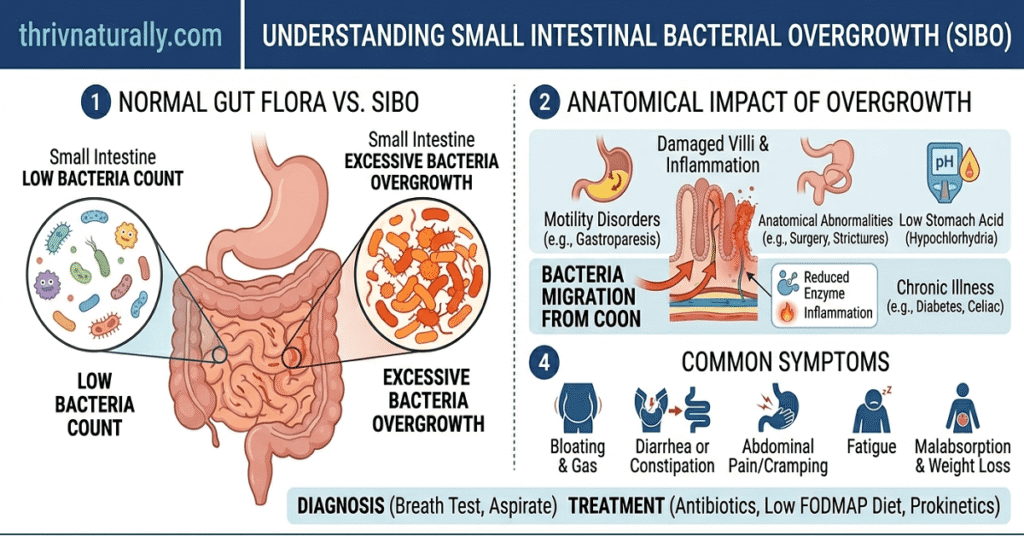
Your large intestine is supposed to be teeming with bacteria. That is normal and healthy. Your small intestine, on the other hand, should be relatively low in bacteria.
SIBO happens when bacteria from the large intestine migrate upward into the small intestine, where they do not belong. Once there, they ferment the food you eat before your body gets a chance to absorb it.
The result? Gas, bloating, and digestive distress often within minutes of eating, particularly after meals that contain carbohydrates or fiber.
SIBO is more common than most people realize. Estimates suggest it may be present in 30 to 80 percent of people diagnosed with IBS and many people who have been told they “just have IBS” may actually have undiagnosed SIBO.
Symptoms of SIBO
- Bloating that appears quickly after eating often within 30 to 90 minutes of a meal
- Excessive gas particularly hydrogen or methane
- Abdominal cramping
- Diarrhea (in hydrogen-dominant SIBO) or constipation (in methane-dominant SIBO, now called IMO)
- Belching
- Nausea
- Fatigue
- Brain fog (often more pronounced than in other gut conditions)
- Nutritional deficiencies because bacteria in the small intestine compete with the host for nutrients, particularly B12, iron, and fat-soluble vitamins
What Causes It
- Slow gut motility – when the gut does not move food through fast enough, bacteria have time to colonize the small intestine
- Low stomach acid – stomach acid normally kills bacteria before they reach the small intestine. When acid is too low (sometimes from acid-blocking medications used long-term), bacteria survive and travel further
- Previous gut infection or food poisoning
- Structural abnormalities in the gut
- Immune dysfunction
- Chronic use of proton pump inhibitors (PPIs)
Diagnosing SIBO
SIBO is diagnosed with a breath test either hydrogen or methane. You consume a sugar solution and breath samples are taken at intervals to measure the gas produced by bacteria in the small intestine. The test can be ordered by a gastroenterologist or functional medicine doctor and is available at many clinics and through some at-home testing services.
Natural and Dietary Approaches
SIBO typically requires treatment often a course of antibiotics (rifaximin is the most commonly prescribed) or herbal antimicrobials. Dietary approaches alone rarely resolve SIBO fully, but they play an important role in preventing recurrence.
The Low-FODMAP diet is often used during and after SIBO treatment to reduce symptoms, since fermentable carbohydrates feed the bacteria causing the overgrowth.
The Specific Carbohydrate Diet (SCD) and the Bi-Phasic Diet are other dietary protocols used specifically for SIBO typically with guidance from a knowledgeable practitioner.
Prokinetics – agents that help the gut move more efficiently are important for SIBO prevention. Natural prokinetics include low-dose naltrexone (LDN) and ginger. The migrating motor complex, which clears bacteria from the small intestine between meals, only activates when you are not eating so spacing meals 4 to 5 hours apart supports SIBO management.
See: What Is SIBO and Do You Have It? Symptoms, Testing, and Diet
Bloating - One of the Most Common Gut Complaints
What It Is
Bloating is a feeling of fullness, tightness, or swelling in the abdomen. It is one of the most common digestive complaints and one of the most frustrating because it can have so many different causes.
True bloating is different from just feeling full after a big meal. It is a persistent or recurring tightness that often appears disproportionate to what you ate or shows up even when you have not eaten much at all.
Symptoms
- Visible abdominal distension ( the stomach looks or feels physically larger)
- A feeling of pressure or tightness in the abdomen
- Gas (burping or flatulence)
- Abdominal discomfort or pain
- Nausea in some cases
What Causes Bloating
Bloating has multiple potential causes, which is why it can be tricky to resolve. Common causes include:
Food-related causes:
- Gas-producing foods (beans, cruciferous vegetables, onions) are healthy but can cause bloating in sensitive individuals, especially when eaten in large amounts
- Food intolerances – lactose intolerance and fructose malabsorption are common triggers
- Swallowing air while eating (eating quickly, drinking through straws, chewing gum)
- Carbonated drinks
Gut condition-related causes:
- Gut dysbiosis: imbalanced gut bacteria produce excess gas
- IBS: the gut is hypersensitive and reacts disproportionately to normal amounts of gas
- SIBO: bacteria fermenting food too early in the digestive tract
- Constipation: slow transit causes fermentation buildup
Hormonal causes:
- Many women experience bloating in the days before menstruation due to hormonal shifts that affect gut motility and fluid retention
Natural Approaches That May Help
Eat more slowly and chew thoroughly. Eating fast is one of the most underrated causes of bloating. Proper chewing starts the digestion process and reduces the amount of air swallowed.
Ginger has strong research support for reducing bloating and improving gut motility. Fresh ginger tea before meals is a simple, effective approach.
Peppermint – peppermint tea or enteric-coated peppermint oil helps relax the smooth muscle of the digestive tract and reduce gas buildup.
Fennel seeds – chewing a small amount of fennel seeds after meals is a traditional remedy with decent evidence behind it for reducing gas and bloating.
Digestive enzymes – especially those containing alpha-galactosidase (the active ingredient in Beano) help break down the carbohydrates in beans and cruciferous vegetables that cause gas.
Reduce carbonated drinks. The carbonation in soda and sparkling water adds gas directly to your digestive system.
Identify and reduce your triggers. Keep a simple food and symptom diary for 1 to 2 weeks. Patterns usually become clear (certain foods, meal sizes, eating speeds, or stress levels) that consistently precede bloating.
See: How to Get Rid of Bloating Fast – 8 Natural Remedies That Work
Acid Reflux and GERD
What It Is
Acid reflux happens when stomach acid flows back up into the esophagus (the tube connecting your mouth to your stomach). The esophagus does not have the protective lining that the stomach does, so the acid causes irritation and that familiar burning sensation in the chest, commonly called heartburn.
When acid reflux happens regularly (more than twice a week) it is classified as GERD (Gastroesophageal Reflux Disease). GERD is extremely common in the US. About 20 percent of Americans experience it at least weekly.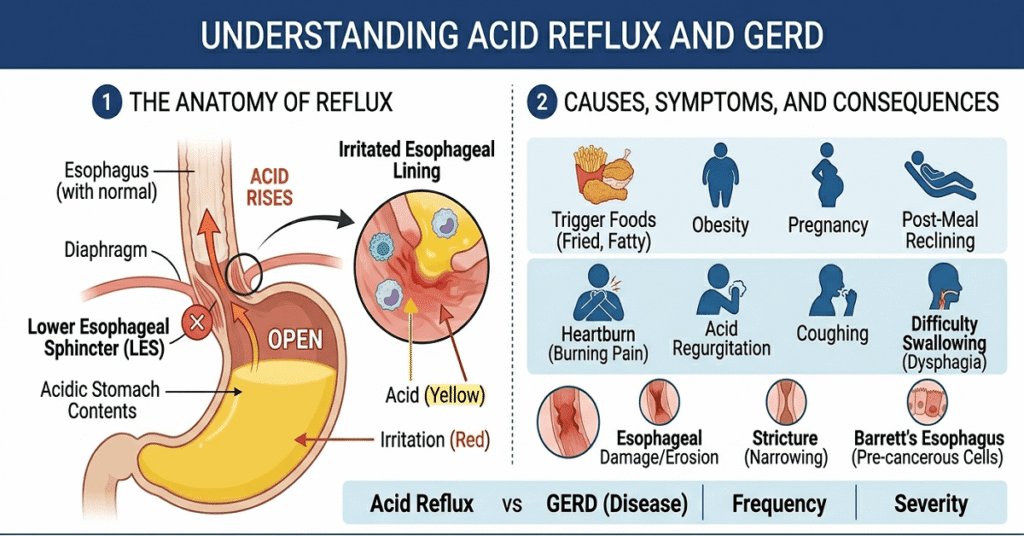
Symptoms
- Burning sensation in the chest or throat – especially after eating or when lying down
- Sour or bitter taste in the mouth
- Regurgitation – food or liquid coming back up
- Difficulty swallowing
- Chronic cough, hoarseness, or sore throat
- A feeling of a lump in the throat
- Worsening symptoms after large meals, fatty food, coffee, alcohol, or lying down after eating
What Causes It
The main cause of acid reflux is a weak or malfunctioning lower esophageal sphincter (LES) – the valve between the esophagus and the stomach. When it does not close properly, acid escapes upward.
Factors that weaken the LES or worsen reflux include:
- Overeating: large meals increase stomach pressure
- Lying down within 2 to 3 hours of eating
- Excess weight: particularly abdominal weight puts pressure on the stomach
- Smoking
- Alcohol
- Coffee and caffeine
- Fatty or fried foods
- Chocolate
- Carbonated beverages
- Hiatal hernia
- Certain medications
An important note on stomach acid: Many people assume acid reflux means too much stomach acid. But in many cases (especially in older adults) reflux is actually associated with too little stomach acid. When stomach acid is low, food ferments in the stomach and pushes gas and acid upward. This is why acid-blocking medications sometimes provide only partial relief.
Natural Approaches That May Help
Eat smaller, more frequent meals. Large meals expand the stomach and increase pressure on the LES. Smaller meals reduce this pressure.
Do not lie down for 2 to 3 hours after eating. Gravity helps keep stomach contents down. When you lie flat shortly after a meal, acid can more easily travel upward.
Elevate the head of your bed by 6 to 8 inches if nighttime reflux is a problem. Raising the headboard (not just adding more pillows) is more effective.
Apple cider vinegar – a small amount of diluted apple cider vinegar before meals is a commonly used folk remedy for acid reflux. Some people find it helpful, possibly because it supports healthy stomach acid levels. The evidence is anecdotal rather than clinical, but it is low-risk to try.
Identify and avoid your personal triggers. Coffee, alcohol, chocolate, fatty food, and tomato products are common reflux triggers but not everyone is triggered by the same things.
Maintain a healthy weight. Abdominal weight is one of the most consistent drivers of GERD. Even modest weight loss has been shown to meaningfully reduce reflux symptoms.
Aloe vera juice – some people find drinking a small amount of food-grade aloe vera juice before meals reduces reflux symptoms. Evidence is limited but it is considered safe in moderate amounts.
Note: If you have frequent or severe reflux, see a doctor. Untreated GERD can lead to esophageal damage over time, including a condition called Barrett’s esophagus. Do not manage this long-term on your own.
See: Acid Reflux Natural Remedies: What Helps and What Does Not
Constipation
What It Is
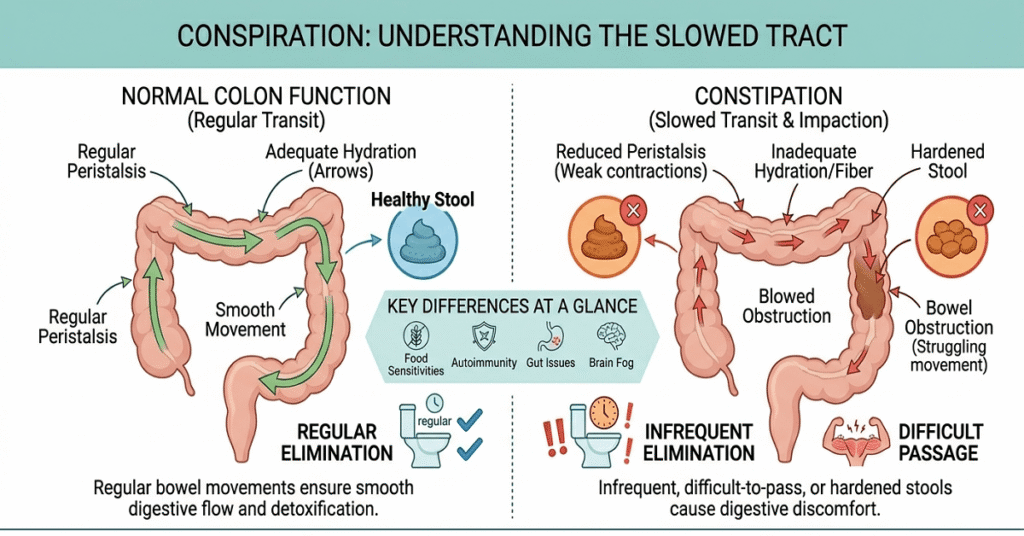
Constipation is defined medically as fewer than three bowel movements per week, with stools that are hard, dry, or difficult to pass. But many people who have a bowel movement every day still experience constipation symptoms (straining, a feeling of incomplete emptying, or hard stools).
It is one of the most common digestive complaints in the US. About 16 percent of American adults experience it regularly. Among adults over 60, that number rises to 33 percent.
Constipation is often treated as a minor inconvenience to deal with. But chronic constipation is both a symptom of gut dysfunction and a cause of further gut health problems. Slow transit time means gut bacteria have longer to ferment food producing excess gas and toxins.
Symptoms
- Fewer than 3 bowel movements per week
- Hard, dry, or lumpy stools
- Straining to pass a bowel movement
- Feeling of blockage or incomplete emptying
- Needing to use manual maneuvers to help pass stools
- Bloating and discomfort
- Stomach pain or cramping
What Causes It
- Low fiber intake – the most common cause. Fiber adds bulk to stool and helps it move through the colon efficiently.
- Dehydration – stool is largely water. When you are not drinking enough, the colon absorbs more water from the stool, making it hard and difficult to pass.
- Sedentary lifestyle – physical activity stimulates gut motility. Sitting for long periods slows it down.
- Ignoring the urge to go – regularly suppressing the urge trains the rectum to be less responsive.
- Medications – iron supplements, opioids, antacids containing calcium or aluminum, and some antidepressants commonly cause constipation.
- Hypothyroidism – an underactive thyroid slows metabolism including gut motility.
- IBS-C – constipation-predominant IBS
- Pelvic floor dysfunction
Natural Approaches That May Help
Increase dietary fiber – especially soluble fiber. Soluble fiber from oats, psyllium husk, apples, flaxseeds, and legumes absorbs water and forms a gel that makes stools softer and easier to pass. Increase fiber gradually to avoid gas and bloating.
Drink more water. Aim for at least 8 glasses (64 oz) of water per day. If you are increasing fiber, drink even more. These two go together fiber without water can worsen constipation.
Move your body more. Even a 20 to 30 minute walk daily has been shown to improve bowel regularity. Exercise increases gut motility (the muscular contractions that move stool through the colon).
Try a squatty potty or footstool. Elevating your feet while on the toilet puts your body in a squatting position – the natural human elimination posture. Research shows this straightens the anorectal angle and makes passing stool easier. It sounds odd but it genuinely works for many people.
Prunes and prune juice – prunes contain sorbitol and dihydroxyphenyl isatin, both of which have natural laxative effects. 2 to 3 prunes per day is a simple, food-based approach.
Magnesium – magnesium citrate or magnesium oxide draws water into the bowel and softens stool. It is a gentle, well-tolerated option for occasional or chronic constipation.
Establish a routine. The gastrocolic reflex (a natural signal from the stomach to the colon to move things along) is strongest after meals, particularly breakfast. Give yourself unrushed time in the bathroom after breakfast each day.
When Gut Symptoms Are a Warning Sign
Most gut health issues are not dangerous. But some symptoms should prompt you to see a doctor rather than trying to manage things on your own.
See a doctor promptly if you experience:
- Blood in your stool or black, tarry stools
- Unexplained weight loss of 10 or more pounds
- Severe abdominal pain especially if it comes on suddenly or is the worst pain you have ever had
- Pain that wakes you from sleep
- Persistent vomiting
- Difficulty swallowing
- A feeling of a persistent lump in your abdomen
- Jaundice (yellowing of the skin or eyes)
- Symptoms that do not improve after 2 to 3 weeks of consistent dietary and lifestyle changes
- New or changing symptoms after age 50
- A family history of colorectal cancer or inflammatory bowel disease
These symptoms do not necessarily mean something serious is wrong. But they need to be evaluated by a medical professional to rule out conditions like inflammatory bowel disease (Crohn’s or ulcerative colitis), colon cancer, or other issues that require specific treatment.
Note: Natural approaches are valuable. But they are not a substitute for proper diagnosis.
Quick-Reference Comparison Table
| Condition | Key Symptom | Main Trigger | First Natural Step |
|---|---|---|---|
| Gut Dysbiosis | Bloating, fatigue, brain fog | Poor diet, antibiotics, stress | Add fermented foods + increase fiber variety |
| IBS | Cramping + irregular bowel movements | Stress, food triggers, gut-brain axis | Low-FODMAP diet trial + stress management |
| Leaky Gut | Wide-ranging: skin, fatigue, food sensitivities | Processed food, stress, alcohol | Remove triggers + L-glutamine + gut-healing diet |
| SIBO | Bloating within 30–90 min of eating | Slow motility, low stomach acid | Medical evaluation + low-FODMAP during treatment |
| Bloating | Abdominal swelling and pressure | Gas-producing foods, eating speed, dysbiosis | Slow down eating + ginger tea + identify triggers |
| Acid Reflux | Burning in chest or throat after eating | Large meals, lying down after eating, certain foods | Smaller meals + avoid lying down after eating |
| Constipation | Hard stools, straining, infrequent BMs | Low fiber, low water, inactivity | Increase soluble fiber + water + daily walking |
Frequently Asked Questions
Q: What is the most common gut health problem?
A: IBS is the most common functional gut disorder, affecting an estimated 25 to 45 million Americans. But gut dysbiosis (an imbalance in gut bacteria) is probably the most widespread underlying gut health issue, as it contributes to or worsens most other gut conditions. Bloating is the most commonly reported individual gut symptom.
Q: Can gut health problems cause anxiety and depression?
A: Yes, there is strong scientific evidence for a two-way connection between gut health and mental health. The gut produces about 90 percent of the body’s serotonin and communicates constantly with the brain through the vagus nerve. Poor gut health, especially gut dysbiosis and leaky gut, is associated with increased rates of anxiety, depression, and brain fog. Improving gut health often has a positive effect on mood and mental clarity.
Q: How do I know if I have leaky gut?
A: There is currently no standard, widely available clinical test for leaky gut. Diagnosis is often based on symptoms and clinical judgment. Some functional medicine practitioners use a lactulose- mannitol urine test to assess intestinal permeability. If you have wide-ranging symptoms (digestive, skin, mood, and immune) alongside food intolerances that keep expanding, leaky gut may be worth discussing with a healthcare provider.
Q: Can SIBO be cured naturally without antibiotics?
A: Some people resolve SIBO using herbal antimicrobial protocols typically combinations of herbs like oregano oil, berberine, and neem with similar success rates to antibiotic treatment in some studies. However, SIBO often requires more than herbal treatment alone, and recurrence is common without addressing the root cause (slow gut motility, low stomach acid, or underlying conditions). Working with a knowledgeable practitioner gives the best results.
Q: Is bloating after every meal normal?
A: Some mild bloating after large meals can be normal. But regular or significant bloating after most meals is a signal that something is off whether that is a food intolerance, gut dysbiosis, eating too quickly, IBS, or SIBO. It is common, but that does not mean it is something you just have to live with. Most people find meaningful relief with dietary adjustments and identifying their personal triggers.
Q: What is the difference between IBS and IBD?
A: IBS (Irritable Bowel Syndrome) and IBD (Inflammatory Bowel Disease) are often confused but are very different conditions. IBS is a functional disorder in which the gut looks normal but does not work normally. It does not cause intestinal damage. IBD (which includes Crohn’s disease and ulcerative colitis) involves actual chronic inflammation and structural damage to the intestinal lining. IBD is a more serious condition that requires medical management. If you have been diagnosed with IBS but your symptoms are severe, progressive, or include blood in stool, see a gastroenterologist to rule out IBD.
What to Read Next
Want to understand gut health from the ground up? Gut Health 101 – The Complete Beginner’s Guide
Ready to change what you eat to help your gut? The Gut Health Diet – What to Eat, What to Avoid
Feeling anxious, foggy, or low in mood? The Gut-Brain Connection
Looking for supplement options? Best Gut Health Supplements – What Works, What Doesn’t
Find specific blog posts on your condition: Browse: Conditions & Symptoms Category
About This Guide
This guide is based on personal research and published scientific literature. It is not written by a medical professional and is not intended as medical advice or diagnosis.
Natural approaches may complement but should not replace professional medical evaluation and treatment, especially for persistent or severe symptoms.